


With the month of Ramadhan only 29 days away now, the excitement is building amongst Muslims all over the world.

Translate this page

03 August 2026 / 18. Safar 1448
Ramadhan Relief Fund: Annual Report 1435-2014 A Breakthrough Year
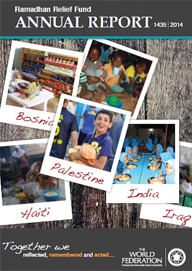 |
The World Federation is pleased to share its Ramadhan Relief Fund Annual Report 1435-2014. The report provides an overview of the accomplishments of the Ramadhan Relief Fund for the year 2014 (1435 AH). In just about every corner of the world, we see families who deal with poverty. Whether this circumstance is short-lived or ongoing, the Ramadhan Relief Fund plays a supportive role in people’s economic survival as well as to their spiritual growth for the Holy month of Ramadhan. This year was a breakthrough year for the Ramadhan Relief Fund where we raised and distributed just over $1.6 million USD in aid across 22 countries. We take this opportunity to thank our donors for your most generous support. You proved that every bit of help can add up to an enormous amount. |
This year, your support:
• Gifted over 29,000 food baskets
• Sponsored over 7,400 meals
• Awarded over 5,000 cash gifts
• and much more
On behalf of all of the men, women and children who were the recipients of your kindness this year, I thank you most sincerely.
To read the full report click on the PDF attached.
Jazaak Allaahu Khayran.
Shan-E-Abbas Hassam
Secretary General
The World Federation of KSIMC
Related News
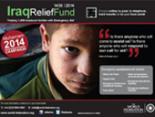
According to the United Nations, Iraq is struggling with one of the largest internally displaced populations in the world where an estimated 1.8 million people are displaced at the hands of the extremist insurgent group known as ISIS (Da’esh).