





In December 2013, the N2K Team, a group of youth from London (UK) walked from the Holy City of Najaf to the land of Karbala during Arbaeen 1435 to raise funds for The World Federation’s ‘Community Upliftment Project in Northeast Kenya’.

Translate this page

02 August 2026 / 17. Safar 1448
Gaza Relief Fund: Turning Houses into Homes
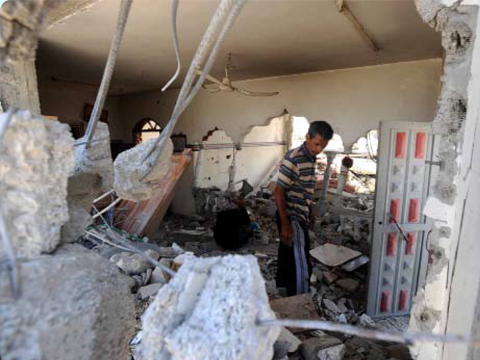
In July and August 2014, hostilities in the Gaza Strip escalated after a period of relative calm following the November 2012 attacks. The scale of damage and destruction as a result of this 50-day conflict intensified the already deteriorating humanitarian situation in Gaza.
At the peak of the conflict, over 290,000 Internally Displaced People (IDPs) sought refuge in emergency shelters in the Gaza Strip. At least 96,000 refugee homes were damaged or destroyed.
The World Federation’s Gaza Relief Fund provides emergency aid to the people of Palestine who are living in dire circumstances. In particular, living conditions in shelters remain difficult and to resolve this, The World Federation teamed up with its regional partner in Gaza to provide support to displaced families. They are given the opportunity to find their own temporary accommodation, rather than remaining in the shelter centres.
Thanks to the support of donors from around the world, The World Federation contributed USD150,000 towards the Transitional Shelter Cash Assistance Program allowing 171 families (993 individuals) to choose the housing/living solution most suitable for their needs.
To read the full report, click on the PDF attached.
In addition, The World Federation provided 152 food parcels and furnished one hospital room in Gaza. A detailed report on this initiative will be available soon.
For more information, please email [email protected]
Related News

On this auspicious day of 15th Sha’baan while Muslims around the world celebrate the birth of the awaited savior of humanity, Imam al Mahdi (aj).

